Attica and Evia 5.2 Richter Earthquake: Scientists Reveal Secrets of Aftershocks and the Terrifying Roar
Attica & Evia 5.2 Earthquake: Aftershocks Explained by Scientists
Geodynamic scientists explain why residents felt a strong earthquake in Attica and Evia and they analyze the expected aftershocks following the main tremor.
In the early hours of September 9 a 5.2 magnitude earthquake struck the regions of Attica and Evia drawing the attention of scientists and experts at the Geodynamics Institute of the Athens Observatory.
The institute’s director Vassilis Karastathis confirmed that current data is not sufficient to determine whether this earthquake is the main one in the area. He noted that the most likely scenario is moderate seismic activity which usually does not cause destructive shaking.
Scientists explained that aftershocks are natural following any earthquake. Studies expect some of these aftershocks to reach a magnitude of 4 on the Richter scale. Karastathis also clarified that the loud roaring sounds experienced by residents were caused by the initial seismic waves. This is entirely normal at locations near the earthquake’s epicenter.
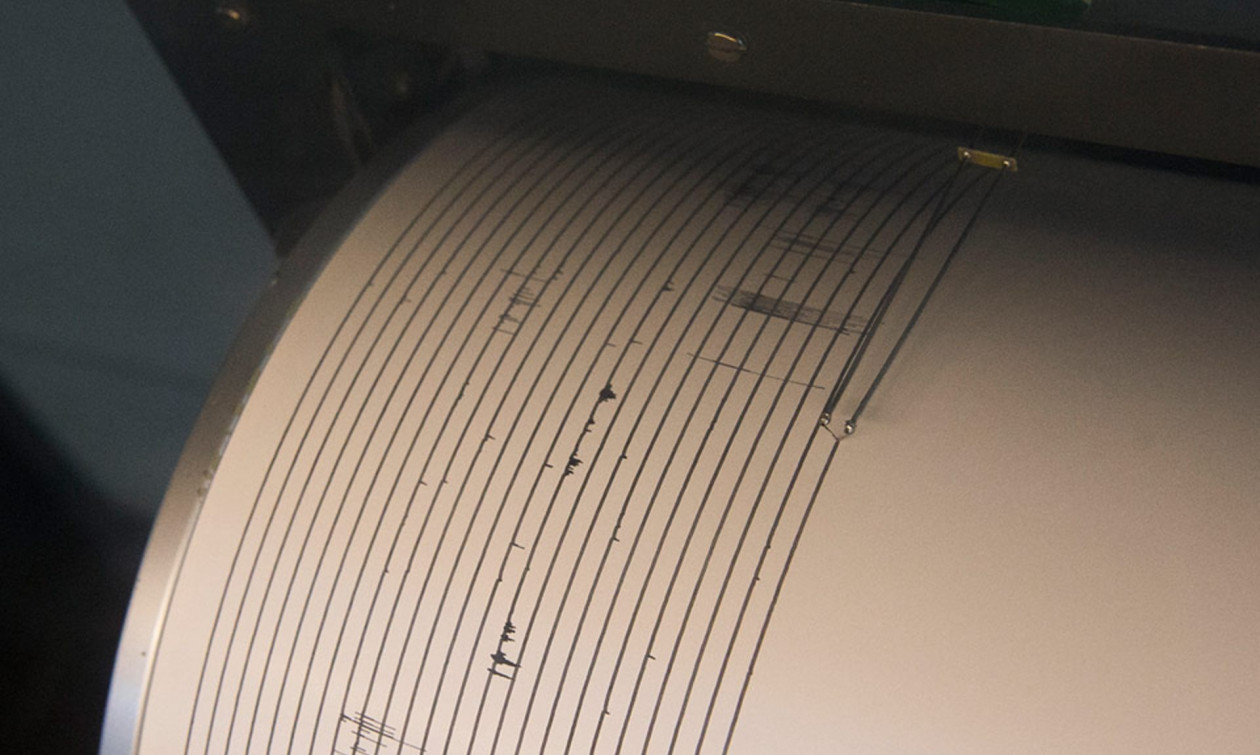
So far the institute has recorded about 30 aftershocks since the main earthquake half of them exceeding a magnitude of 2 with the strongest reaching 2.8. Scientists reassured that the remaining faults in the area were not affected by the earthquake indicating no major structural risk to the region.
Watch the video:
The variation in residents’ perception of the earthquake depends on their proximity to the epicenter soil conditions and surrounding buildings. Experts highlighted that this is common in moderate earthquakes.
The MeteoLiosia camera documented the moment of the earthquake confirming that the shaking lasted about 30 seconds. Experts emphasized the need to monitor any subsequent aftershocks to ensure the safety of residents.