5 important new developments affecting temporary workers in Russia
Temporary workers in Russia have recently faced a series of restrictions that have reduced their presence in the country due to the ongoing war.
These restrictions have taken the form of new government measures and laws regulating temporary employment. We will discuss these issues in the following paragraphs to keep those considering temporary work in Russia informed of the latest developments.
A strict monitoring system for temporary workers in Russia
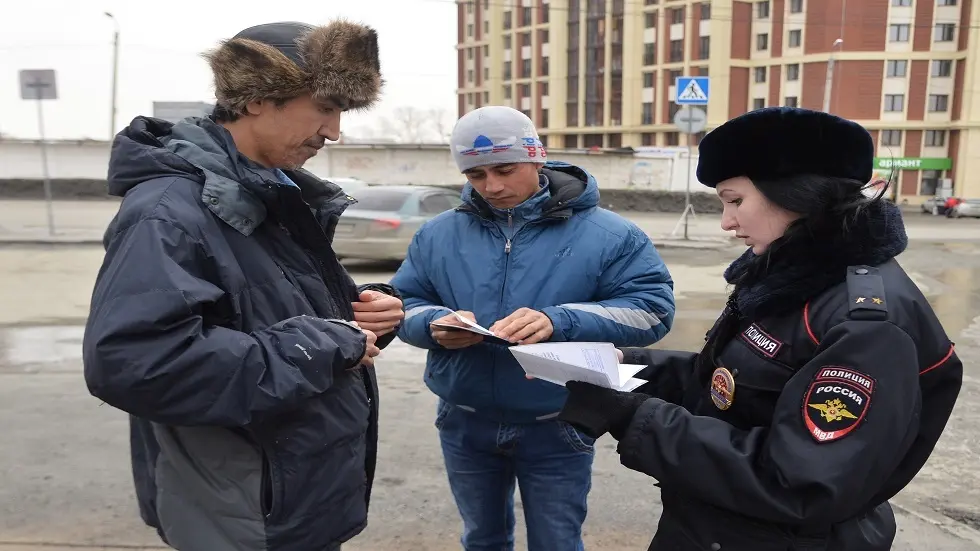
This system actually targets those who bring in temporary workers, not the temporary workers themselves. Companies and employers who recruit temporary workers have recently been subject to rigorous oversight to ensure compliance with newly enacted laws.
Reduction in the Length of Temporary Workers’ Stays in Russia
The length of stay for temporary workers in Russia has been reduced to 90 days per year, instead of 90 days every six months as before. This means that the permit, which is renewed every three years, now grants the worker 270 days over those three years, instead of the previous 540 days.
Labor Shortage and Stricter Labor Laws
Despite stricter labor laws, Russia is facing a labor shortage of 11 million workers. This has led it to fill the gap by recruiting workers from countries like India. However, despite these stricter laws, exceptions are still granted to skilled workers and those with good communication skills. You can find information about these exceptions on temporary Workers websites in Russia.
Legal Examination for Temporary Workers in Russia
This examination involves gathering extensive information about the applicant for temporary work in Russia. It often includes medical tests, Russian language proficiency tests, and questions on Russian law. It’s worth noting that Russia has implemented a quota system, which represents the percentage of temporary foreign workers the Russian government allocates.
Graduates of Russian Universities
Foreign graduates of Russian universities with honors receive preferential treatment and facilitated access to long-term and open-ended residency permits. This is an incentive from the Russian government to encourage study at these universities.